FAO Promotes The Mediterranean Diet As A Sustainable Consumption Solution

Positive nutrition: shifting the focus from nutrients to diet for a healthy lifestyle

The Underrated Yet Crucial Aspects of the Mediterranean Diet
The Mediterranean diet, popular for its health benefits, has been extensively studied for its impact on non-communicable diseases and nutritional status. A recent review in the Journal of Translational Medicine highlights some overlooked components of this diet that contribute to its overall effectiveness.
Background
The Mediterranean diet, recognized as an Intangible Cultural Heritage by UNESCO in 2020, is known to protect against diabetes, obesity, cardiovascular disease, and cancer. However, many studies focus mainly on fruits, vegetables, olive oil, and cereals, neglecting other essential elements.
Unexplored Dietary Components
Key dietary factors such as whole grains, legumes, nuts, seeds, herbs, spices, eggs, dairy products, and red wine have often been overlooked. These elements, along with traditional cooking methods, play significant roles in the Mediterranean diet’s benefits.
Eggs
Eggs, rich in proteins, vitamins, and minerals, are often excluded from dietary assessments due to their cholesterol content. However, they provide essential amino acids, antioxidants, and anti-inflammatory properties, contributing to overall health.
Dairy Products
Dairy products, part of Mediterranean diets for thousands of years, contain saturated fats that can raise LDL cholesterol but also offer many benefits. They can increase HDL cholesterol, improve metabolic function, and reduce the risk of cardiovascular diseases and colorectal cancer.
Nuts and Seeds
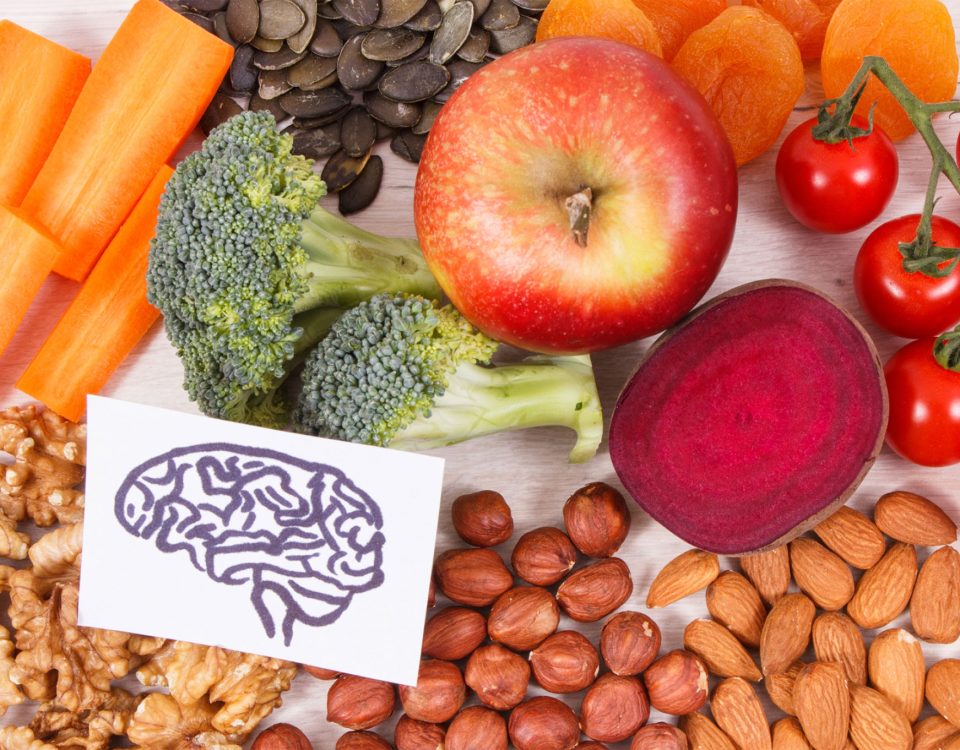
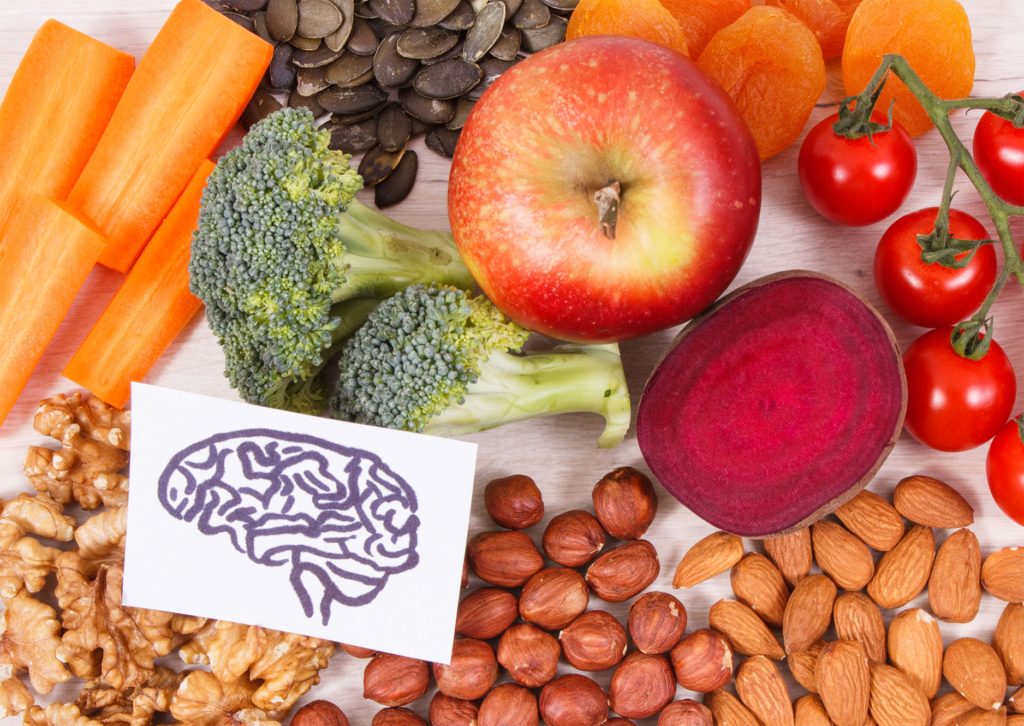
Nuts like almonds, walnuts, and pistachios, and seeds like flaxseeds and pumpkin seeds, are linked to lower cardiometabolic disease risks. They are rich in essential fatty acids and phytochemicals, though some studies show they can raise LDL cholesterol.
Herbs and Spices
Herbs and spices, enhancing food flavor, also offer health benefits. They contain phytochemicals with antioxidant, anti-inflammatory, and neuroprotective properties and can reduce the risk of non-communicable diseases.
Red Wine
Moderate wine consumption, a traditional part of the Mediterranean diet, is controversial due to its potential carcinogenic effects. Yet, moderate intake is associated with reduced cardiovascular disease risk and lower all-cause mortality.

Conclusion
Understanding these often-overlooked components helps to fully appreciate the Mediterranean diet’s benefits. Including these elements in dietary assessments and guidelines could improve health outcomes and promote a more comprehensive approach to this traditional dietary pattern.